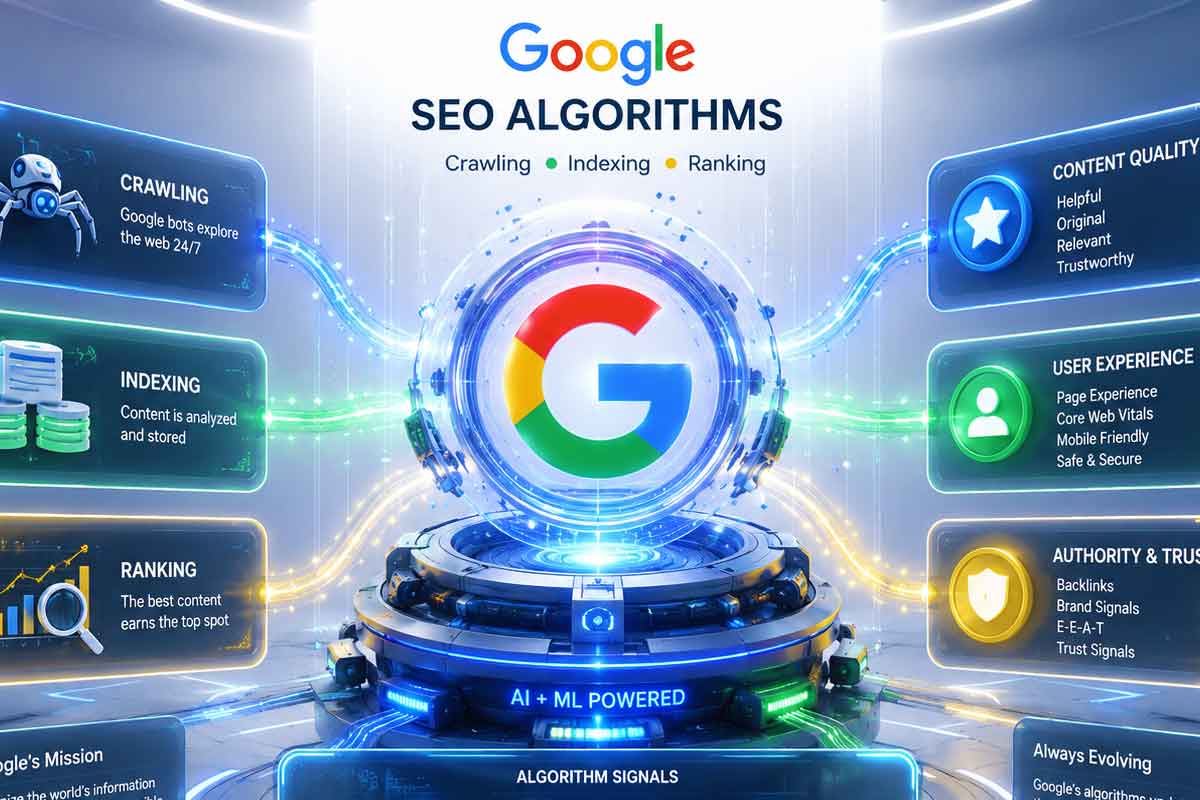
SEO Strategy Update: Commercial Awareness, AI Readability, and Google’s New Social Tracking
This week’s SEO developments demand immediate attention from any business serious about organic growth. Google has expanded Search Console to cover social platforms, AI visibility requires a rethink of on-site content structure, and the most successful SEO strategies are now anchored firmly to commercial outcomes. Our team has reviewed the key updates and mapped out what they mean for our clients right now.
Key Takeaways
- SEO strategies that tie directly to revenue, profitability, and ROI outperform those chasing vanity metrics like raw traffic.
- AI systems rank content based on what they can read, parse, and verify — structured, clear copy is now non-negotiable.
- Google Search Console now tracks how Instagram, TikTok, X, and YouTube posts perform in Search and Discover.
- Community-driven content strategies are delivering measurable gains in both traditional and AI-referred organic sessions.
- Businesses that align SEO with audience expertise consistently outperform competitors relying on generic keyword targeting.
Tie Every SEO Action to a Commercial Outcome
We’ve long argued that traffic alone is a poor measure of SEO success. That position is now mainstream. The core argument is straightforward: prioritise SEO work using the metrics that matter most to the business — revenue, profitability, and return on investment, as outlined in Search Engine Land’s guide to commercially aware SEO strategy.
For our clients, this means we map keyword clusters to specific product lines or service categories and track conversions at the page level. Rankings matter, but only when they generate qualified leads or sales. We recommend every business audit its current SEO reporting and strip out any metric that cannot be linked to a tangible business result.
Build Content That AI Systems Can Actually Read
AI Overviews in Google Search are here to stay, and the ranking signals behind them remain opaque. That’s the reality. The practical response, however, is clear: build content that machines can read, parse, and verify without ambiguity. This is the central message from Search Engine Journal’s analysis on AI readability and rankings.
What does this look like in practice?
- Use structured data (schema markup) consistently across all key pages.
- Write clear, factual statements that answer specific questions without filler.
- Ensure authorship, sources, and credentials are visible and verifiable.
Our development team now treats structured data implementation as a baseline requirement on every new site build, not an optional extra.
Google Search Console Now Tracks Social and Video Platform Visibility
Google is adding platform properties to Search Console, allowing creators and businesses to track how their Instagram, TikTok, X, and YouTube posts appear in Search and Discover. This is a significant expansion of the tool’s scope, as reported by Search Engine Journal’s coverage of the new Search Console social properties.
For brands investing in short-form video or social content, this closes a major data gap. We can now see which social posts gain organic search visibility and adjust content calendars accordingly. Our recommendation: claim your social platform properties in Search Console immediately and begin benchmarking impressions and clicks from day one.
Community-First SEO Delivers 200% Growth in AI-Referred Sessions
Cardmarket’s results speak for themselves. By building an SEO strategy rooted in deep community knowledge, the trading card marketplace achieved steady organic growth and a 200% increase in AI-referred sessions. The full case study is detailed in Semrush’s breakdown of Cardmarket’s community-driven search strategy.
The lesson is direct. Businesses that understand their audience better than anyone else — and reflect that expertise in their content — win in both traditional and AI-powered search. We apply this principle across every client engagement: research the community first, then build the content architecture around genuine user needs.
Aligning SEO With Audience Expertise Beats Generic Keyword Chasing
Generic keyword targeting still has a place, but it’s losing ground fast. The Cardmarket case and the push for commercially aware SEO both point to the same conclusion: specificity wins. Pages built around genuine expertise, real user questions, and verifiable authority consistently outrank thin, keyword-stuffed alternatives. We now audit every client’s content library for depth, accuracy, and direct relevance to their core audience before recommending any new content production.
These five developments reinforce a single operational truth: SEO in 2025 rewards clarity, commercial focus, and genuine expertise. Businesses that treat SEO as a revenue channel — not a traffic game — and invest in structured, verifiable, community-informed content will hold the strongest positions in both traditional and AI-driven search results.
Frequently Asked Questions
What is commercially aware SEO and why does it matter?
Commercially aware SEO prioritises revenue, profitability, and ROI over vanity metrics like raw traffic or keyword rankings. It ensures every optimisation effort is directly tied to measurable business outcomes.
How do web designers make content readable for AI Search systems?
Implement structured data markup consistently, write clear factual statements, and make authorship and sources verifiable on every page. AI systems rank content they can parse and verify without ambiguity.
Why does Google Search Console now include social media platforms?
Google added social and video platform properties so creators can track how their Instagram, TikTok, X, and YouTube posts perform in Search and Discover. This gives businesses direct visibility into which social content earns organic search impressions.
What is a community-first SEO strategy?
It’s an approach that builds content around deep knowledge of a specific audience’s needs, language, and questions. Cardmarket used this method to achieve 200% growth in AI-referred sessions alongside steady organic gains.