Google’s 304 Status Code Advice, Snapchat’s AI Crackdown & Key Google Ads Settings to Audit Now
This week brings a batch of practical updates our team is already acting on across client accounts: Google has formally recommended a crawl budget optimisation technique using 304 status codes, Snapchat is pulling AI-generated content from its recommendation surfaces, Google Ads has several default settings that quietly drain spend, and Google has published its first standalone guide for YouTube audio ads. Here’s what matters and what we’re doing about it.
Key Takeaways
- Google now recommends serving 304 Not Modified responses to Googlebot to conserve crawl budget on unchanged pages.
- Snapchat is removing wholly AI-generated videos from its Spotlight recommendations, prioritising authentic human content.
- Four Google Ads default settings — Auto-apply, Display Expansion, Search Partners, and budget recommendations — need manual review before they quietly erode performance.
- Google has published a dedicated help document consolidating setup, specs, and best practices for YouTube audio ads.
- Google’s Gemini models are powering lightweight “vibe-coded” utility apps, signalling a shift in how AI tools reach everyday users.
Serve 304 Responses to Googlebot and Protect Your Crawl Budget
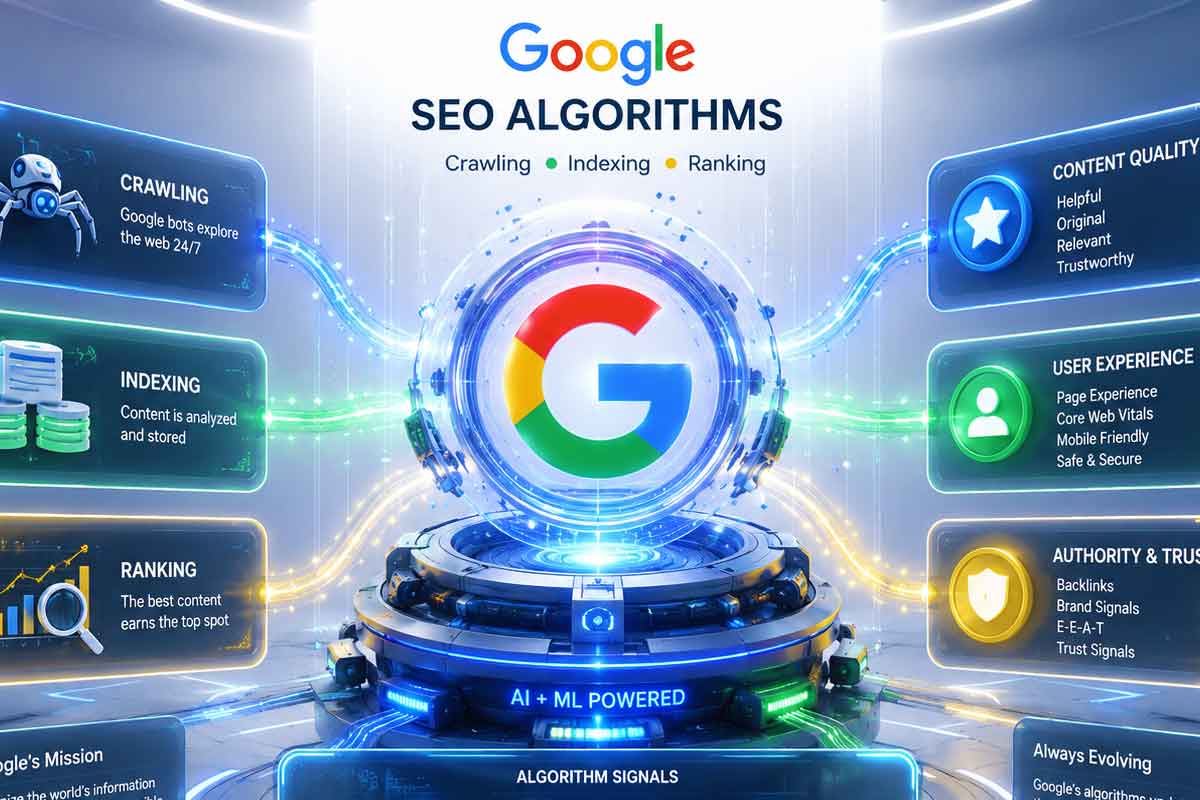
Google has updated its crawl budget documentation with a specific, actionable recommendation: if a page hasn’t changed since Googlebot last fetched it, your server should return a 304 Not Modified status code. We’ve been tracking this via Search Engine Journal’s coverage of Google’s updated crawl budget guidance, and the implications for large sites are significant.
For our clients running e-commerce stores or content-heavy platforms with tens of thousands of URLs, this is a direct efficiency gain. When Googlebot receives a 304, it skips re-downloading the full page, freeing up crawl budget for new or updated content that actually needs indexing. We’re now auditing server configurations across client sites to ensure proper ETag and Last-Modified header implementation. If your hosting stack doesn’t support conditional responses out of the box, it’s time to fix that.
Snapchat Deprioritises AI-Generated Content in Spotlight
Snap has announced it will remove wholly AI-generated videos from Spotlight recommendations. As reported in Search Engine Journal’s report on Snapchat’s AI content crackdown, the platform is explicitly favouring authentic, human-authored experiences.
This matters beyond Snapchat. It signals a broader platform trend: algorithmic preference for genuine content. For brands we manage social strategies for, the lesson is clear. Lean into real footage, real people, and real stories. AI can assist with editing and ideation, but fully synthetic content is becoming a liability on recommendation-driven platforms.
Four Google Ads Settings That Quietly Drain Your Budget
There are four Google Ads defaults that deserve immediate scrutiny in every account we manage:
- Auto-apply recommendations — Google can automatically implement its own suggestions without your approval.
- Display Expansion — Search campaigns can silently extend to Display Network placements.
- Search Partners — Traffic from partner sites is opted in by default, often with lower conversion quality.
- Budget recommendations — Google’s suggested budget increases optimise for its revenue, not necessarily yours.
We run regular audits on these settings, and this week’s detailed breakdown from Search Engine Land’s guide to Google Ads settings worth reviewing reinforces why. Left unchecked, these defaults can inflate spend by 15-30% with minimal return. Check them today.
Google Publishes Its First Dedicated YouTube Audio Ads Guide
Google has consolidated everything advertisers need to know about YouTube audio ads into a single dedicated help document covering audio ad setup, specifications, and best practices. For clients targeting podcast listeners and music streamers, this format offers a cost-efficient awareness channel. We’re reviewing the specs now to build audio-first creative briefs for relevant campaigns.
Gemini-Powered Utility Apps Signal AI’s Quiet Consumer Push
A Google creative technologist built a lightweight scheduling app called Glanceboard using Gemini models, as detailed in Google’s blog post on vibe-coded apps powered by Gemini Flash. It’s a small project, but it illustrates how AI is moving from enterprise tooling into everyday personal utilities. For our team, it reinforces the need to stay fluent in these models — they’re shaping the interfaces and experiences users will expect from the web.
Taken together, this week’s updates reinforce a consistent theme across our work: platforms are rewarding authenticity, punishing lazy defaults, and offering new technical levers for those willing to implement them properly. Whether it’s configuring server headers for smarter crawling or auditing hidden Google Ads toggles, the competitive advantage sits with teams that act on the details.
Frequently Asked Questions
What is a 304 status code and why does Google recommend it for SEO?
A 304 Not Modified status code tells Googlebot that a page hasn’t changed since its last visit, so there’s no need to re-download it. Google now formally recommends this approach to conserve crawl budget, ensuring Googlebot spends its time on new or updated content instead.
How do web designers check if Google Ads auto-apply is enabled?
Navigate to the Recommendations page in your Google Ads account and click “Auto-apply” in the top-right corner to see which suggestions Google is implementing without your approval. Review and disable any auto-applied recommendations that don’t align with your campaign goals.
Why is Snapchat removing AI-generated videos from Spotlight?
Snapchat wants to prioritise authentic, human-created content in its recommendation algorithm rather than surfacing wholly AI-generated videos. This reflects a growing platform-wide trend of favouring genuine user experiences over synthetic content.
What are YouTube audio ads and how do they work?
YouTube audio ads are an ad format designed to reach users who are primarily listening to content rather than watching it, such as music or podcast audiences. Google’s new dedicated guide covers the creative specs, campaign setup, and best practices for running them effectively.