AI Is Reshaping SEO Workflows, But User Trust Still Wins — What Our Agency Is Doing Right Now
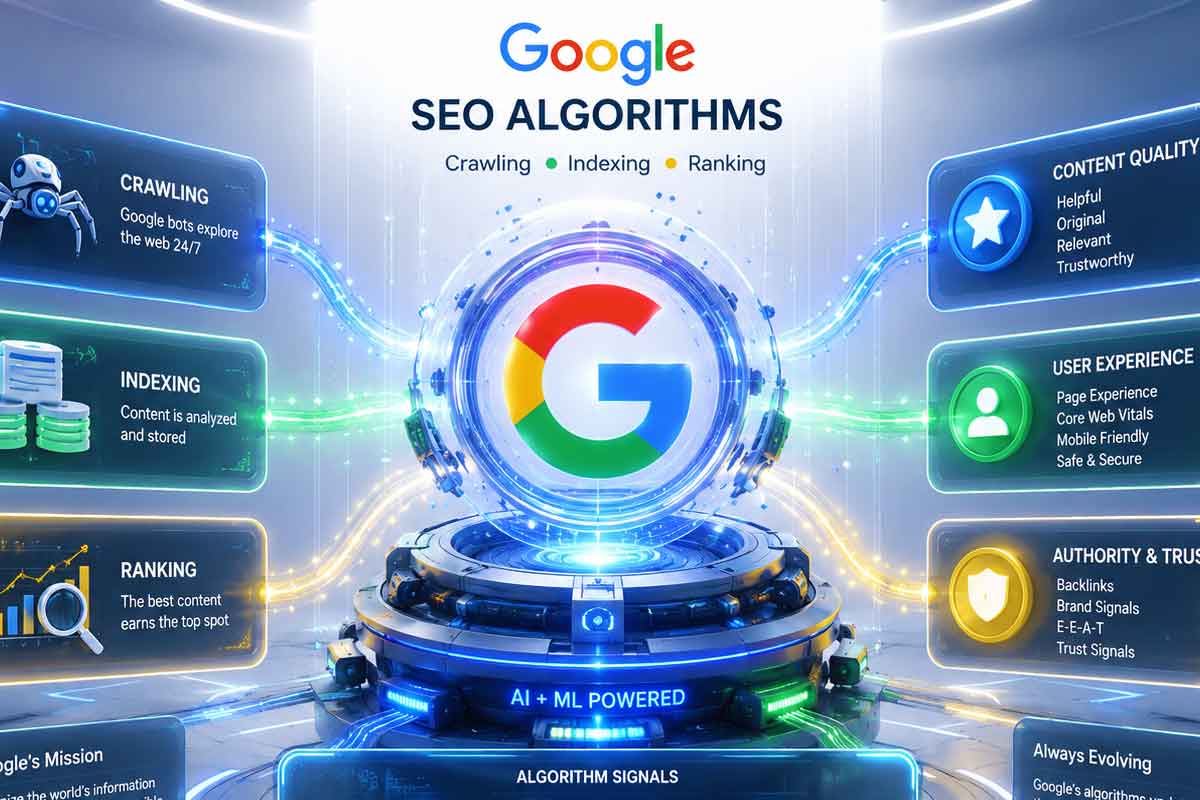
This week’s SEO and digital marketing news reinforces a theme we keep seeing across our client accounts: AI tools are accelerating how we work, but the fundamentals — user trust, data quality, and genuine expertise — remain the non-negotiable foundation. From veteran SEO voices weighing in on AI’s role to practical builds for E-E-A-T auditing, here’s what matters and what we’re acting on.
Key Takeaways
- AI is rewriting SEO tactics, but serving users and building trust still drives rankings.
- Automated E-E-A-T auditing tools can now be built with AI coding assistants, slashing manual review time.
- Google Ads lead quality improves dramatically when CRM data feeds directly into campaign optimisation.
- Google Pay’s expansion into Walmart signals broader tap-to-pay adoption that affects local search and retail strategies.
- The search marketing job market remains active, reflecting sustained demand for skilled SEO and PPC professionals.
AI Changes the SEO Toolkit, Not the Mission
Duane Forrester, a name anyone in SEO recognises, put it plainly: AI is forcing rapid evolution in how we optimise, but the core mission hasn’t shifted. Serve the user. Build trust. Keep learning. We agree entirely. Across our client portfolio, we’ve adopted AI-assisted content workflows and technical auditing, but every output still passes through human editorial review. The tools change; the standard doesn’t. Our team treats AI as a multiplier for speed and scale, not a replacement for strategic thinking, a position strongly echoed in Forrester’s candid interview with Search Engine Land.
What this means in practice: we’re training every team member on prompt engineering and AI-assisted research. But we’re equally investing in deepening subject-matter expertise for the sectors we serve. Google’s systems are getting better at detecting thin, AI-generated content that lacks genuine insight. The agencies that win will be the ones pairing AI efficiency with real human authority.
Build Your Own E-E-A-T Auditor in Minutes
One of the most practical developments this week is a detailed walkthrough showing how to build an AI-powered E-E-A-T checker using Claude Code. The tool crawls a website, applies Google’s quality rater guidance, and generates polished audit reports. We’ve already started testing a similar internal build.
For our clients, this means faster identification of trust and authority gaps across their sites. Previously, a thorough E-E-A-T review was a manual, time-intensive process. Now we can run baseline checks in minutes and focus human analyst time on strategic fixes rather than data gathering. If you’re managing content at scale, this kind of tooling isn’t optional — it’s a competitive requirement.
CRM-Connected Google Ads Campaigns Deliver Better Leads
Lead volume means nothing if those leads don’t convert to revenue. We’ve been advocating CRM-to-ads integration for years, and this week’s guidance on improving Google Ads lead quality with CRM data validates the approach. By defining what a qualified lead actually looks like inside your CRM and feeding that data back into Google Ads, you train the algorithm to find more of the right people.
- Step one: Define your qualified lead criteria in your CRM (deal stage, revenue threshold, engagement score).
- Step two: Push offline conversion data back into Google Ads.
- Step three: Optimise bidding around leads that generate actual business value, not just form fills.
We’ve seen clients cut cost-per-qualified-lead by 30–40% within eight weeks of implementing this feedback loop.
Google Pay at Walmart and What It Means for Local Search
Google’s announcement that tap-to-pay with Google Pay is coming to Walmart may seem tangential to SEO, but it matters. Every expansion of Google’s payment ecosystem tightens the connection between search intent and transaction. For our retail and e-commerce clients, ensuring Google Business Profiles are fully optimised — including payment attributes and in-store details — becomes even more critical as Google closes the loop between discovery and purchase.
Search Marketing Hiring Remains Strong
The latest search marketing job listings confirm that demand for skilled SEO and PPC professionals isn’t slowing. Brands and agencies alike are actively recruiting. For us, this reinforces the value of continuous professional development across our team. For businesses considering in-house versus agency support, the tight talent market is another reason to partner with an established team that already has depth on the bench.
The thread connecting all five stories is clear: the industry is moving faster, tools are getting sharper, and the bar for quality keeps rising. Agencies and businesses that combine AI-powered efficiency with genuine expertise, clean data, and user-first strategy will hold the advantage through 2025 and beyond.
Frequently Asked Questions
What is E-E-A-T and why does it matter for SEO in 2025?
E-E-A-T stands for Experience, Expertise, Authoritativeness, and Trustworthiness — the quality signals Google uses to evaluate content. Websites that demonstrably meet these criteria rank more consistently, especially as AI-generated content floods search results.
How do web designers improve lead quality from Google Ads?
By connecting CRM data directly to Google Ads and defining what a qualified lead looks like at the business level. This lets the ad platform’s algorithm optimise for conversions that actually drive revenue, not just form submissions.
Why does on-page SEO still matter if AI is changing search?
AI changes how search engines process and present information, but on-page signals like structured content, clear expertise markers, and fast load times remain foundational ranking factors. Strong on-page SEO ensures your content is correctly understood and surfaced, regardless of the AI layer interpreting it.
How can small businesses use AI tools for SEO without a large budget?
Free and low-cost AI coding assistants can now build functional audit tools, such as E-E-A-T checkers, that previously required expensive enterprise software. Pairing these tools with a focused content strategy lets smaller teams punch well above their weight.