AI Search Signals, Google Maps Behaviour Shifts, and the Amazon Ad Lawsuit: What UK Businesses Need to Act On Now
This week brings a set of developments that directly affect how we build, optimise, and run paid campaigns for our clients. From the technical signals AI Search engines actually rely on, to a major FTC lawsuit against Amazon’s advertising model and a measurable shift in how consumers use Google Maps, every item here has immediate operational implications for web design and SEO teams.
Key Takeaways
- Most SEOs are missing the technical signals that AI search engines use to select and cite sources.
- Google Maps is increasingly becoming a destination in itself — calls and clicks to websites from local listings are declining.
- The FTC has filed suit against Amazon, alleging its ad auction changes overcharged advertisers by more than $20 billion.
- Microsoft Advertising is rolling out a redesigned console aimed at improving campaign management efficiency.
- Google’s September Android feature drop focuses on everyday utility but signals broader platform integration trends.
Most SEOs Are Ignoring the Technical Foundations AI Search Needs
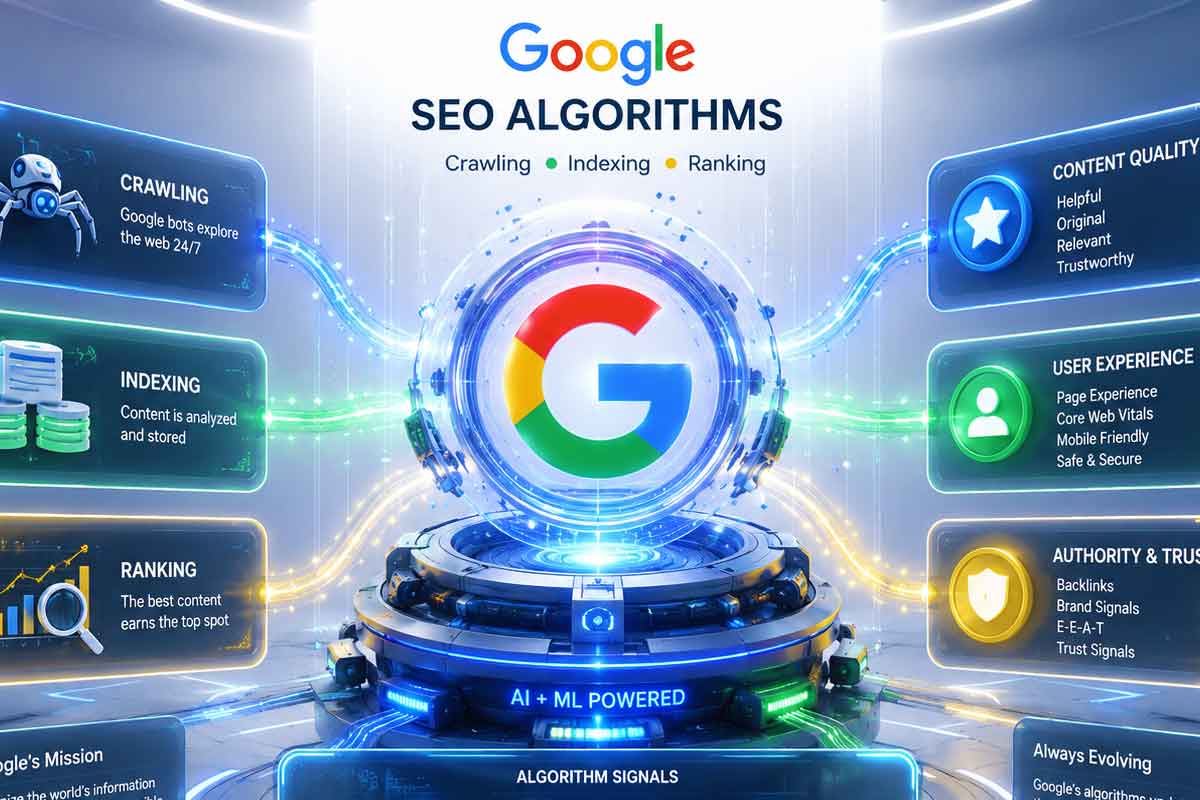
Getting mentioned in an AI-generated response is not the hard part. Staying there is. An audit of 50 major websites has exposed the gap between standard SEO practice and genuine AI readiness, as detailed in Search Engine Journal’s breakdown of the technical signals AI search actually uses. Structured data, content clarity, entity consistency, and crawlability for non-traditional user agents all matter more than most teams realise.
Our team has already started integrating AI-readiness checks into every client site audit. This means verifying schema markup accuracy, ensuring content answers specific questions in clean, parseable blocks, and confirming that server configurations don’t inadvertently block AI crawlers. If your site isn’t built for machine comprehension as well as human readability, you’re losing ground.
Google Maps Is Now the Destination — Not the Doorway
Fresh data confirms what we’ve observed across our local SEO clients: calls and clicks from Google Maps listings keep falling even as rankings hold steady. Users are making decisions — choosing a restaurant, picking a tradesperson, comparing reviews — without ever leaving the Maps interface.
This changes the brief for local businesses. Profile quality, review volume, photo freshness, and Google Business Profile completeness are no longer supporting tasks. They are the primary conversion layer. We now treat GBP optimisation with the same rigour we apply to on-site landing pages:
- Weekly review response workflows.
- Monthly photo and post updates.
- Quarterly attribute and category audits.
If your local profile is thin, your rankings won’t save you.
FTC Takes Aim at Amazon’s Ad Auction Model
The FTC, joined by 22 US states, has sued Amazon over alleged changes to its advertising auctions. The claim: these changes quietly overcharged advertisers by more than $20 billion. The full details are covered in Search Engine Journal’s report on the alleged $20 billion advertising surcharge scheme.
For our e-commerce clients running Amazon PPC, this is a signal to scrutinise ad spend efficiency more closely. We’re advising a full audit of ACOS trends and bid behaviour over the past 18 months. Regardless of the lawsuit’s outcome, the scrutiny alone may prompt Amazon to adjust auction mechanics — and that means budget allocations could shift.
Microsoft Advertising Gets a Console Overhaul
Microsoft has begun rolling out a redesigned navigation and enhanced table layout for its advertiser console. The update targets workflow efficiency with a cleaner interface and faster access to campaign data.
We run Microsoft Ads for several B2B clients where CPCs remain significantly lower than Google Ads. A better console reduces management overhead and makes the platform more viable for teams managing multi-channel campaigns. We’ll be testing the new layout across accounts this month.
Android’s September Feature Drop Signals Platform Integration Trends
Google’s September 2026 Android feature drop includes item tracking, motion sickness reduction, and in-chat note editing. While not directly an SEO story, these updates reinforce Google’s push to keep users inside its ecosystem. For web strategists, the takeaway is clear: every touchpoint Google owns becomes stickier, making owned-channel performance — your website, your email list — even more critical.
The common thread across all five developments is control. AI search rewards technically sound sites. Google Maps rewards complete profiles. Amazon’s ad model faces legal challenge over transparency. Microsoft improves its tools to win ad spend. Google’s Android keeps users closer. Our job is to ensure our clients own as much of their digital presence as possible, built on foundations that perform regardless of which platform shifts next.
Frequently Asked Questions
What are the technical signals AI search engines use to rank and cite websites?
AI search engines rely on structured data accuracy, entity consistency, content clarity, and crawlability by non-traditional user agents. Standard on-page SEO alone is not sufficient — sites need machine-readable formatting and clean, direct answers to specific queries.
Why are clicks and calls from Google Maps listings declining?
Users increasingly complete their decision-making entirely within the Google Maps interface, using reviews, photos, and profile details without visiting a website. This makes Google Business Profile quality the primary conversion factor for local businesses.
How does the FTC lawsuit against Amazon affect UK advertisers?
While the lawsuit is US-based, any resulting changes to Amazon’s ad auction mechanics could affect global advertising costs and bid behaviour. UK advertisers running Amazon PPC should audit recent spend efficiency and monitor for platform-wide auction adjustments.
How do web designers ensure a site is ready for AI search in 2026?
Start with accurate, comprehensive schema markup and content structured in clear question-and-answer formats. Confirm your server configuration permits access from AI crawlers and ensure entity references are consistent across every page.