Zero-Click Marketing, Flawed AI Traffic Metrics, and Google’s Agentic AI Push: What Our Agency Is Acting On Right Now
Google is doubling down on agentic AI tools for developers, AI-driven creative experiments are hitting mainstream cultural events, and the SEO industry is grappling with unreliable data about AI’s actual impact on referral traffic. Meanwhile, zero-click content strategies are no longer optional — they are the baseline for visibility. Here is what our team is prioritising for clients this week and why each of these developments matters for anyone serious about search performance and digital growth.
Key Takeaways
- Google’s DevFest 2026 signals a firm pivot towards agentic AI tooling that will reshape how websites and apps are built, secured, and scaled.
- Zero-click marketing has matured from a buzzword into a measurable content strategy that agencies must adopt now.
- The industry’s most-cited AI traffic metric is fundamentally flawed — decisions based on it could be costly.
- Google’s AI-powered creative projects at Venice confirm that generative AI is being positioned as a mainstream creative tool, not a novelty.
- Personalised AI content delivery, exemplified by Google’s Dreambeans, points to a future where traditional click-through paths erode further.
Google’s DevFest 2026 Puts Agentic AI Front and Centre for Web Development
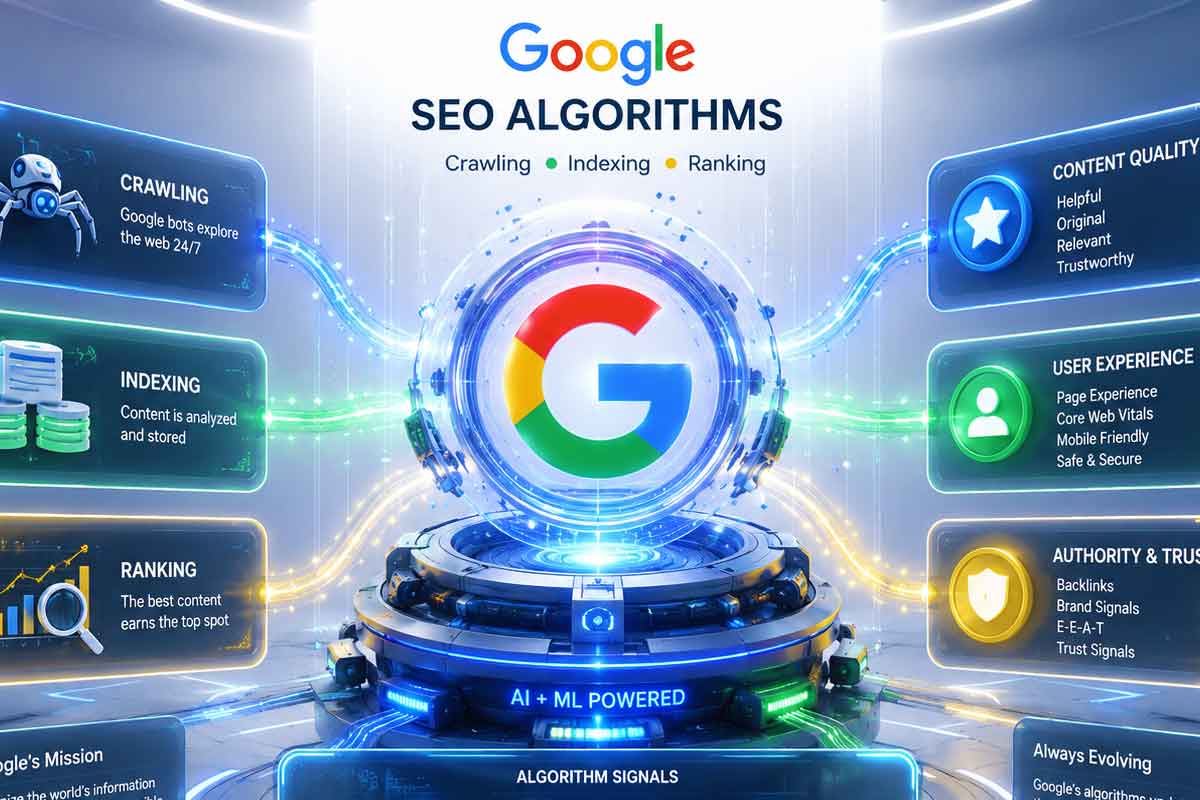
Google has announced that DevFest 2026 is back with over 800 global events focused on building, securing, and scaling in the agentic AI era. For our team, the emphasis on “agentic AI” is the headline. This is not about chatbots answering FAQs. It is about AI agents that autonomously execute multi-step tasks — from code generation to security auditing.
We are already advising clients to audit their tech stacks for compatibility with agent-driven workflows. Sites built on rigid, monolithic architectures will struggle to integrate these tools. Our development team is attending DevFest sessions specifically to evaluate how agentic AI can automate technical SEO tasks like structured data validation and crawl optimisation at scale.
Zero-Click Marketing Is Now the Baseline, Not the Exception
Zero-click marketing delivers value directly on the platform where a user finds it — no click required. As outlined in Semrush’s detailed guide on executing and measuring zero-click strategies, this approach demands a fundamental shift in how we define success.
- What changes: Impressions, brand recall, and engagement on SERPs, social feeds, and AI overviews replace click-through rate as the primary KPI for top-of-funnel content.
- What we are doing: Rewriting client content briefs to optimise for featured snippets, People Also Ask boxes, and AI-generated summaries. Every piece of content now includes a self-contained answer within the first 60 words.
Clients who resist this shift will watch competitors capture visibility while they chase vanishing clicks.
The AI Traffic Number Everyone Quotes Is Unreliable
Search Engine Journal has published a sharp analysis showing that publishers are quoting the same AI referral traffic metric while arriving at wildly different conclusions. The core problem: the denominator is missing an unknown share of referrals. Dark traffic from AI tools that do not pass referrer data is simply invisible in standard analytics.
Our analytics team has flagged this internally. We are cross-referencing server log data with GA4 reports for every client to identify discrepancies. Blocking AI crawlers based on flawed percentages is a knee-jerk reaction that could cut off a growing traffic source. We recommend caution and better measurement before making access decisions.
Google’s Venice Film Festival Projects Show AI Creativity Going Mainstream
Three Google-supported projects premiered at the 83rd Venice International Film Festival, as detailed in Google’s announcement about technology pushing the boundaries of human creativity. This is Google positioning generative AI as a serious creative medium, not a parlour trick. For brands investing in video and immersive content, the production cost barrier is dropping fast.
Personalised AI Content Delivery Accelerates the Zero-Click Trend
Google Labs has expanded Dreambeans — its AI experiment that brews personalised daily story collections — to all US accounts. This is a direct signal. Google is training users to consume curated, AI-generated content without ever visiting a publisher’s site. For our clients, this reinforces the urgency of brand-building strategies that work regardless of whether a user clicks through.
The common thread across every development this week is clear: the click is becoming less important than the impression, the answer, and the brand signal. Our team is restructuring client strategies around owned visibility, reliable measurement, and AI-ready infrastructure. Agencies that treat these shifts as distant trends rather than present realities will fall behind before the end of 2026.
Frequently Asked Questions
What is zero-click marketing and why does it matter for SEO in 2026?
Zero-click marketing is a content strategy that delivers complete value directly on the search results page or social platform, without requiring a user to click through to your website. It matters because Google’s AI Overviews and featured snippets now answer queries directly, making on-SERP visibility essential for brand awareness and lead generation.
How do web designers prepare websites for agentic AI integration?
Start by ensuring your site architecture is modular, API-friendly, and built on modern frameworks that support automated workflows. Agentic AI tools need clean structured data, accessible endpoints, and well-documented code to execute tasks like content updates, security checks, and performance optimisation autonomously.
Why is the AI referral traffic metric considered unreliable?
The widely quoted figure lacks a complete denominator because many AI tools do not pass referrer data, creating significant dark traffic that analytics platforms cannot attribute. Decisions to block AI crawlers based on this incomplete data risk cutting off a traffic source whose true size remains unknown.
What does Google’s Dreambeans mean for content publishers?
Dreambeans delivers personalised, AI-curated story collections directly to users, reducing their need to visit individual publisher sites. Content publishers must invest in strong brand signals and zero-click strategies to maintain visibility in an environment where AI intermediaries increasingly control content discovery.