Google’s AI Spam Crackdown, 40% Search Traffic Decline, and YouTube Shopping: What UK Businesses Need to Know
Google is tightening its grip on AI-generated spam, publisher search traffic is falling off a cliff, and YouTube is quietly becoming a product comparison engine. Meanwhile, Google’s Demand Gen campaigns gain new tools, and Semrush offers a practical window to audit your visibility. Here’s what our team is acting on right now for our clients across the UK.
Key Takeaways
- Google has deployed a new AI spam detection system called SAFE, targeting low-quality AI-generated content at scale.
- Publisher traffic from Google Search and Discover has declined by up to 40% year-on-year, accelerating a trend that started in late 2024.
- YouTube is integrating shopping features into its Ask YouTube AI Search, turning video reviews into structured product comparisons.
- Google’s September 2026 Demand Gen Drop introduces seamless new ad experiences and platform integrations for discovery-driven campaigns.
- A structured 7-day Semrush trial can surface critical SEO and AI visibility gaps if used with a clear audit plan.
Google Deploys SAFE: AI Content Spam Is Now Actively Filtered
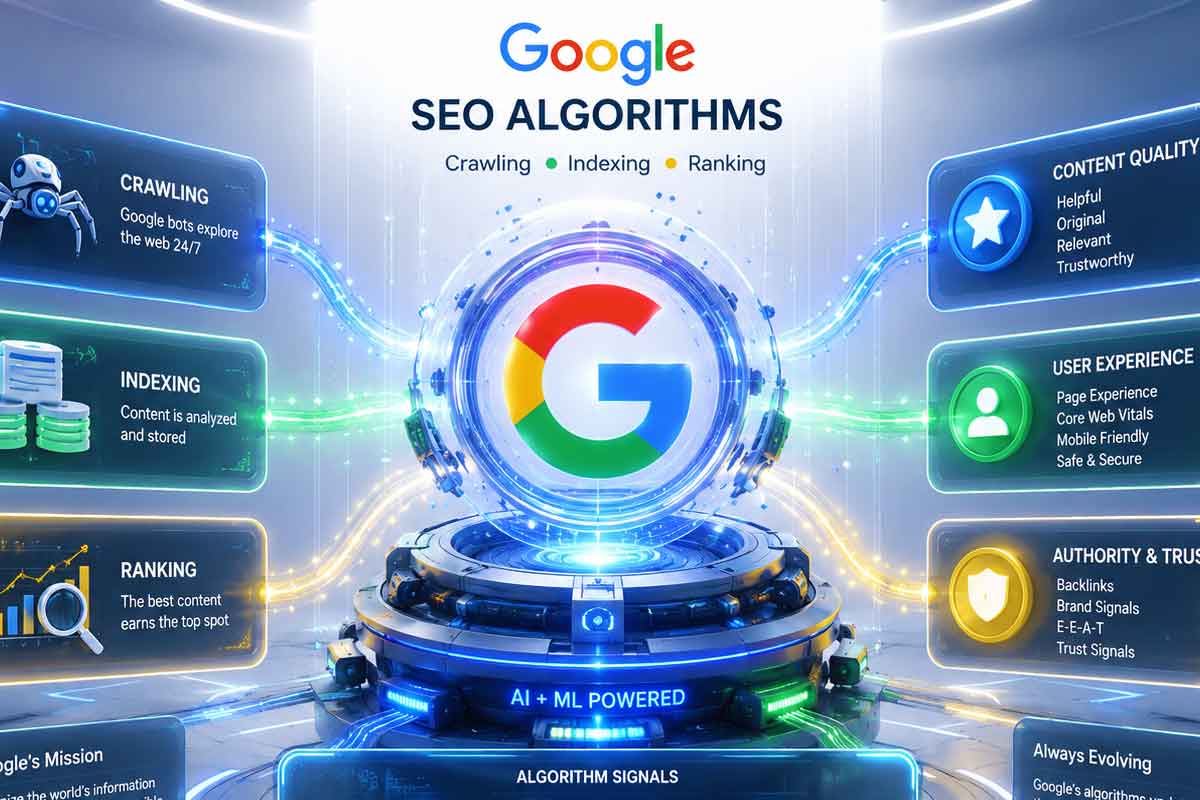
Google has rolled out a new spam detection system called SAFE, specifically designed to catch AI-generated content spam. As Search Engine Journal reports on the SAFE deployment, the system is already live and may be linked to Google’s latest spam update. This isn’t theoretical — it’s operational.
For our clients, the message is clear: AI-assisted content is fine, but mass-produced, thin AI content is now a direct liability. We’ve been auditing client sites for pages that lack genuine editorial oversight, unique data, or first-hand expertise. Any business still publishing AI content without human review and E-E-A-T signals is running a serious risk. We treat every piece of content as if it needs to pass a manual review, because SAFE suggests Google is now automating that exact check.
Google Search Traffic to Publishers Has Dropped 40% Year-on-Year
The numbers are stark. According to Chartbeat data reported by Search Engine Journal, Google Search and Discover referral traffic to publishers has declined by as much as 40% year-on-year. The decline is steepening, not stabilising.
What’s growing instead? Direct traffic, internal referrals, and dark social. This confirms what we’ve been telling clients for months: relying on Google as your primary traffic source is no longer viable as a standalone strategy. We’re actively building owned-audience channels — email lists, on-site engagement loops, and community touchpoints — for every client. The sites in our portfolio that invested in brand recognition and direct navigation are weathering this shift far better than those dependent on organic search alone.
YouTube’s Ask YouTube AI Now Powers Product Shopping Comparisons
YouTube is embedding shopping functionality directly into its AI-powered Ask YouTube feature. As Search Engine Journal details in its coverage of YouTube’s shopping integration, product review videos may soon be organised into structured comparison tables, with AI answering product questions on watch pages.
This matters for e-commerce clients. Product review content on YouTube is no longer just brand awareness — it’s becoming a direct conversion path. We’re advising clients to ensure their product videos include clear, structured information (pricing, features, specifications) that YouTube’s AI can parse and surface. If your competitors are doing video product reviews and you’re not, you’re about to lose shelf space in a new kind of search result.
Google’s September 2026 Demand Gen Drop Expands Discovery Advertising
Google’s latest Demand Gen Drop brings new ad formats and integrations designed to convert passive discovery into measurable action. The details, outlined in Google’s official September 2026 Demand Gen announcement, focus on seamless experiences across YouTube and Google’s discovery surfaces.
For paid media campaigns, we’re testing these new formats immediately. Demand Gen campaigns suit businesses with strong visual assets and mid-funnel audiences. The integration with YouTube’s expanding shopping features creates a natural paid-organic loop that we’re building into client strategies now.
Using a Semrush Trial to Audit SEO and AI Visibility Gaps
A free 7-day window is enough to run a meaningful audit — if you have a plan. Semrush’s guide to maximising their free trial outlines six practical use cases covering search visibility, competitor gaps, and AI overview tracking. We use Semrush daily across our client accounts, but for businesses evaluating their SEO position for the first time, a structured trial can reveal where you’re losing ground — and where quick wins exist.
The search landscape heading into late 2026 rewards businesses that diversify traffic sources, produce genuinely expert content, and treat video as a core channel. Google is filtering harder, sending less free traffic, and integrating commerce deeper into YouTube. Every client strategy we build now accounts for all three of these realities.
Frequently Asked Questions
What is Google’s SAFE AI spam detector and how does it affect my website?
SAFE is Google’s newly deployed system that automatically identifies and filters AI-generated spam content from search results. If your site publishes AI content without genuine human editorial oversight and expertise signals, it risks being flagged and losing rankings.
Why is Google Search traffic declining for publishers in 2026?
Google’s AI Overviews and changing search behaviour are reducing click-through rates to external sites, with some publishers seeing up to 40% year-on-year traffic drops. Businesses need to build direct audience channels like email and community engagement to offset this decline.
How do web designers prepare for YouTube’s new shopping search features?
Ensure product pages and video content include structured, clearly presented product data such as pricing, features, and specifications. YouTube’s AI is now organising this information into comparison tables, so well-structured content will gain visibility over competitors who lack it.
What is Google Demand Gen and how can UK businesses use it?
Demand Gen is Google’s ad campaign type designed to reach audiences during discovery moments across YouTube and Google surfaces. UK businesses with strong visual content can use it to drive mid-funnel engagement and conversions, especially as YouTube integrates more shopping features.