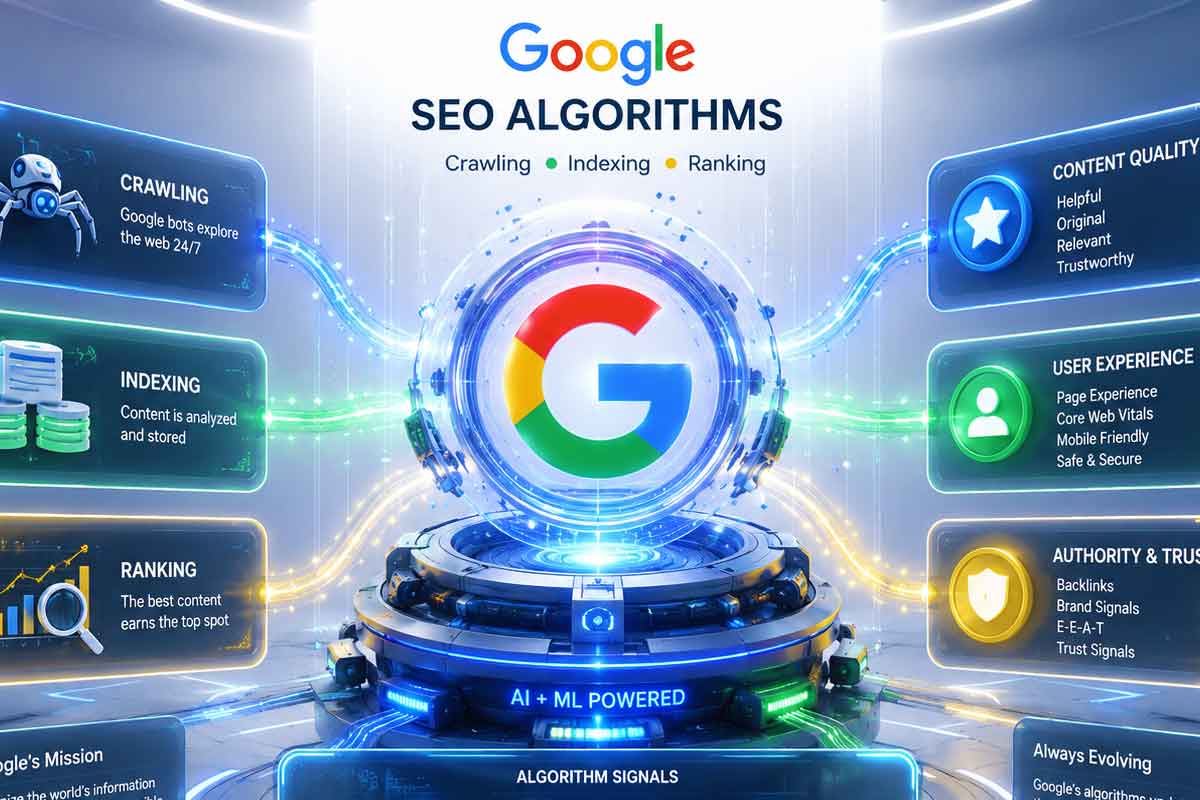
Agentic SEO, Cross-Domain Canonical Risks, and AI Citation Shifts: What Our Team Is Acting On Now
This week brought a concentrated burst of developments that directly affect how we build, maintain, and optimise sites for our clients. From AI agents running live SEO workflows to Google’s response on cross-domain canonical de-indexing, the signals are clear: the operational side of SEO is changing fast, and agencies that delay adoption will fall behind. Here is what matters and what we are doing about it right now.
Key Takeaways
- Agentic SEO is no longer theoretical — defined AI workflows are running on live sites today, pulling their own data and executing tasks autonomously.
- Cross-domain canonical tags can silently de-index your pages if misconfigured, and Google’s John Mueller has outlined how to catch it early.
- Charging AI crawlers per page is technically possible now, but blocking them today means losing AI citations entirely.
- Google Labs is pushing AI agents into household logistics, signalling broader consumer adoption of agentic interfaces.
- AI citation credit depends more on content structure and rewrites than on simple source order in results.
Agentic SEO Workflows Are Running on Live Sites Right Now
The term “agentic SEO” has moved from buzzword to working practice. As detailed in Semrush’s breakdown of eight agentic SEO workflows tested on a live site, the approach hands defined tasks to an AI agent that independently pulls data, analyses it, and executes. The setup uses Claude with free tooling. Our team has already begun mapping which client workflows — technical audits, internal link gap analysis, content brief generation — can be delegated to agentic processes. The key distinction: this is not chatbot prompting. The agent decides what data it needs, fetches it, and acts. We are trialling this on internal projects before rolling it into client retainers.
Cross-Domain Canonical Misconfigurations Can Silently Kill Your Index Coverage
Google’s John Mueller responded directly to reports of cross-domain canonical tags causing unexpected de-indexing. The details, covered in Search Engine Journal’s report on Google’s response to cross-domain canonical de-indexing, make one thing plain: publishers need proactive monitoring, not reactive panic.
We have added cross-domain canonical checks to our standard monthly audit cycle for every client. The risk is straightforward. If a canonical tag incorrectly points to another domain, Google may drop your page from the index entirely. Mueller’s advice centres on catching these issues through Search Console coverage reports before they escalate. For any site using syndication, multi-domain setups, or third-party publishing platforms, this is a non-negotiable maintenance item.
Charging AI Crawlers Sounds Smart — But the Trade-Offs Are Real
One experiment tested what happens when you charge AI agents a penny per page crawled. The result, documented in Search Engine Journal’s account of charging AI agents per page, is instructive: GPTBot, ClaudeBot, and Googlebot will not pay. Block them and you lose AI-generated citations.
Our recommendation to clients right now is simple: do not block AI crawlers. The citation visibility gained from being included in AI-generated answers far outweighs the marginal cost of serving those requests. When monetisation dashboards arrive — and they will — we will reassess on a case-by-case basis.
Google’s AI Agent for Families Signals Broader Agentic Adoption
Google Labs is expanding its AI agent CC to family groups, as outlined in Google’s announcement on CC expanding to groups. This is a consumer-facing move, but it matters for SEO strategy. As households adopt AI agents for logistics and daily decisions, the surface area for AI-mediated search and discovery grows. We are watching how local service queries and product recommendations shift as these agents gain traction in 2025.
AI Citation Credit Hinges on Content Structure, Not Source Position
A controlled test found that source order in AI results matters far less than initial data suggested. What actually shifts citation credit is structured content and rewrites, as reported in Search Engine Journal’s analysis of AI citation testing. For our content teams, this reinforces what we have been prioritising: clear data formatting, direct answers, and well-structured HTML. If your content is easy for an AI to parse and attribute, you earn the citation. Position alone will not save poorly structured pages.
These five developments share a common thread: AI is no longer adjacent to SEO — it is embedded in it. From autonomous workflows and citation mechanics to crawler monetisation decisions, the operational playbook is shifting in 2025. Our team is integrating these findings into active client strategies now, not waiting for a consensus to form.
Frequently Asked Questions
What is agentic SEO and how does it differ from using AI chatbots?
Agentic SEO assigns defined workflows to an AI agent that independently pulls data, analyses it, and executes tasks on a live site. Unlike chatbot prompting, the agent decides what information it needs and acts without step-by-step human instruction.
How do web designers prevent cross-domain canonical de-indexing?
Audit all canonical tags monthly, paying close attention to any that point to external domains unintentionally. Use Google Search Console’s index coverage reports to catch pages being dropped before the problem compounds.
Why does content structure matter more than source order for AI citations?
Controlled tests show that AI models distribute citation credit based on how clearly content is structured and how easily data can be extracted. Simply ranking higher in a source list does not guarantee your page earns the citation.
Should I block AI crawlers like GPTBot or ClaudeBot from my website?
Not yet. Blocking AI crawlers currently means losing visibility in AI-generated answers and citations entirely. Until viable monetisation options exist, the citation value of allowing access outweighs the cost of serving those requests.