Google’s AI Search Shift, USA TODAY’s Traffic Crisis, and What Retailers Must Fix Before Agentic Commerce Arrives
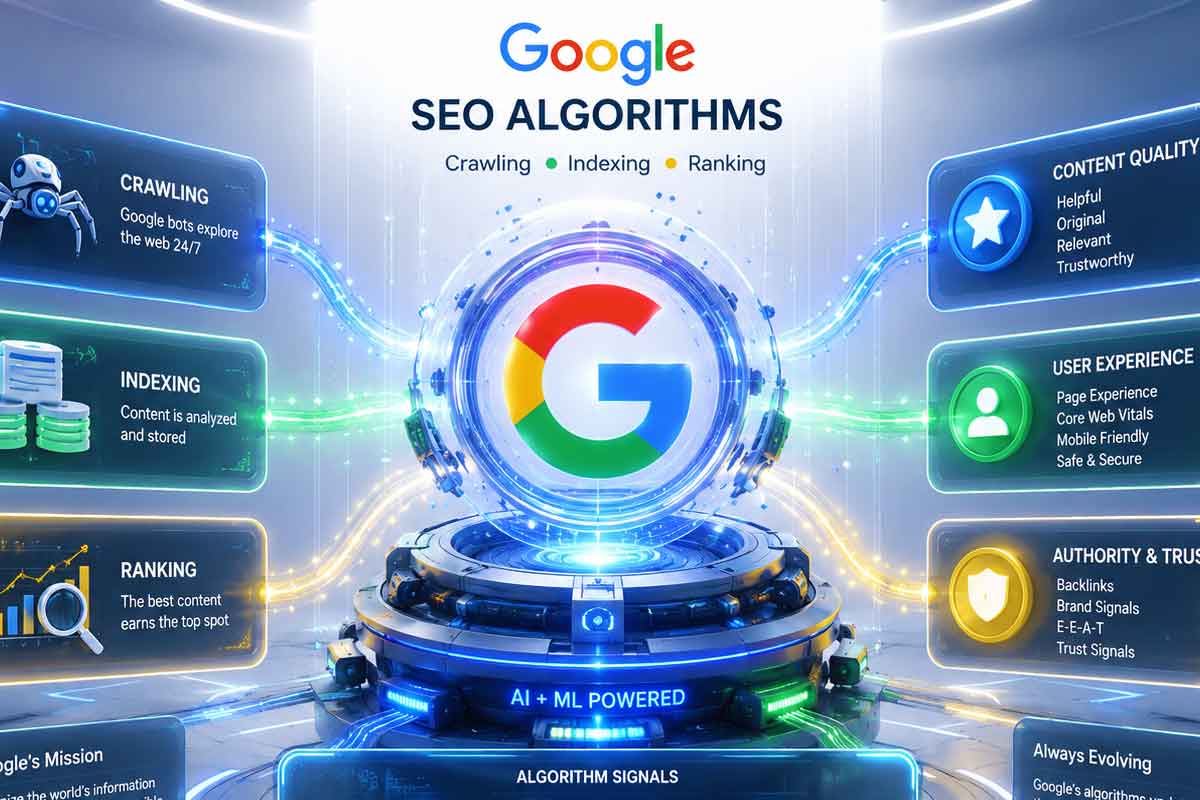
The traditional search landscape is fracturing fast. This week’s developments confirm what our team has been telling clients for months: the ten blue links model is dying, publishers are haemorrhaging referral traffic, and retailers face an entirely new checkout problem they haven’t prepared for. Here’s what matters and what we’re doing about it right now.
Key Takeaways
- USA TODAY has restructured its entire audience team as AI platforms drastically reduce referral traffic to publisher sites.
- Google’s new AI-powered weather experience in Search replaces traditional result listings with interactive, task-completion interfaces.
- Getting products surfaced in ChatGPT is only half the battle — retailers must fix checkout infrastructure for agentic commerce.
- Google Ads can silently limit ad serving without formally disapproving campaigns, catching advertisers off guard.
- New voice features across Gmail, Docs, and Keep signal Google’s push toward hands-free productivity workflows.
USA TODAY Cuts Deep as AI Platforms Starve Publishers of Traffic
USA TODAY has laid off staff and completely rebuilt its audience strategy team. The reason is blunt: AI platforms are sending fewer users back to publisher websites. As Search Engine Land reports on USA TODAY’s overhaul citing search pressure, the publisher is responding to a structural decline in organic referral traffic that shows no sign of reversing.
We’ve seen this pattern across our own client base. Sites that relied heavily on informational content to drive top-of-funnel traffic are watching click-through rates erode as AI Overviews answer queries directly. Our response has been to shift content strategies toward transactional and mid-funnel intent, build stronger brand search demand, and treat owned channels — email lists, communities, direct traffic — as non-negotiable assets. If a major national publisher can’t outrun this trend, smaller businesses certainly can’t afford to ignore it.
Google’s Weather AI Confirms the End of Traditional Search Results
Google has launched an AI-powered weather experience directly inside Search. It’s interactive. It answers follow-up questions. It keeps users inside Google’s interface. As Search Engine Journal details in its coverage of Google’s weather AI integration, this is another concrete step toward a future where users complete tasks without ever clicking a traditional result.
Weather might seem niche, but the underlying technology applies to every vertical. Local services, product comparisons, event planning — Google is building task-completion engines for all of them. Our team is already advising clients to invest in structured data, brand authority signals, and direct engagement channels that don’t depend on a click from a results page.
Retailers Must Fix Checkout Before Agentic Commerce Arrives
Getting a product surfaced in ChatGPT sounds like the hard part. It isn’t. The real challenge is what happens after an AI agent tries to complete a purchase on behalf of a user. As Search Engine Journal’s analysis of agentic commerce checkout readiness explains, retailers need to audit three critical areas before connecting any new commerce protocol: payment gateway compatibility, inventory accuracy in real time, and session handling for non-human buyers.
We’re running these checks for our e-commerce clients now. If your checkout flow relies on CAPTCHAs, session timeouts, or manual steps that block automated agents, you’ll lose sales to competitors whose systems are agent-ready.
Google Ads Can Throttle Your Campaigns Without Warning
Google can limit how often your ads appear — without disapproving them. No notification. No policy violation flag. Just reduced impressions. Search Engine Land’s breakdown of limited ad serving in Google Ads details the triggers: new accounts, low spend history, and certain ad categories are most at risk.
We monitor impression share and serving status daily across all managed accounts. If you spot a sudden drop in delivery with no change in bids or budgets, limited ad serving is the first thing to investigate. Appeals are possible but slow — prevention through account trust-building is far more effective.
Voice-First Productivity Tools Signal a Broader Interface Shift
Google has rolled out voice-activated features across Gmail, Docs, and Keep, as announced on the official Google Workspace blog. Users can now draft emails, take notes, and edit documents using natural speech. This reinforces the broader trend: interfaces are moving away from typed input toward conversational, multimodal interaction. For SEO, it means conversational long-tail queries will continue to grow in volume and importance.
Every development this week points in the same direction. Search is becoming less about ranking on a page and more about being present, structured, and transactable wherever AI systems operate. Our team is adapting client strategies accordingly — prioritising brand signals, structured data, checkout infrastructure, and owned audience channels heading into the second half of 2025.
Frequently Asked Questions
What is limited ad serving in Google Ads and how does it affect campaigns?
Limited ad serving is when Google restricts how often your ads appear without formally disapproving them. It typically affects newer accounts or those with limited spend history, and it can cause a significant drop in impressions with no obvious policy violation.
How do web designers prepare e-commerce sites for agentic commerce?
Start by auditing your checkout flow for barriers that block non-human buyers, such as CAPTCHAs, aggressive session timeouts, and manual verification steps. Ensure real-time inventory accuracy and payment gateway compatibility with emerging agentic commerce protocols.
Why does Google’s AI in Search reduce organic click-through rates?
Google’s AI features answer queries directly within the search interface, meaning users complete tasks without clicking through to external websites. This reduces referral traffic for publishers and businesses that rely on informational content to attract visitors.
What is agentic commerce and why should retailers care?
Agentic commerce is when AI systems like ChatGPT act on behalf of users to browse, compare, and purchase products automatically. Retailers who fail to make their checkout systems agent-compatible risk losing sales to competitors whose infrastructure supports automated transactions.
How do SEO strategies need to change as voice search grows?
Content should target conversational, long-tail queries that mirror natural speech patterns rather than short keyword phrases. Structured data markup becomes even more critical, as voice-driven AI systems rely on it to extract and present accurate answers.